
General Info.
Location & Geography
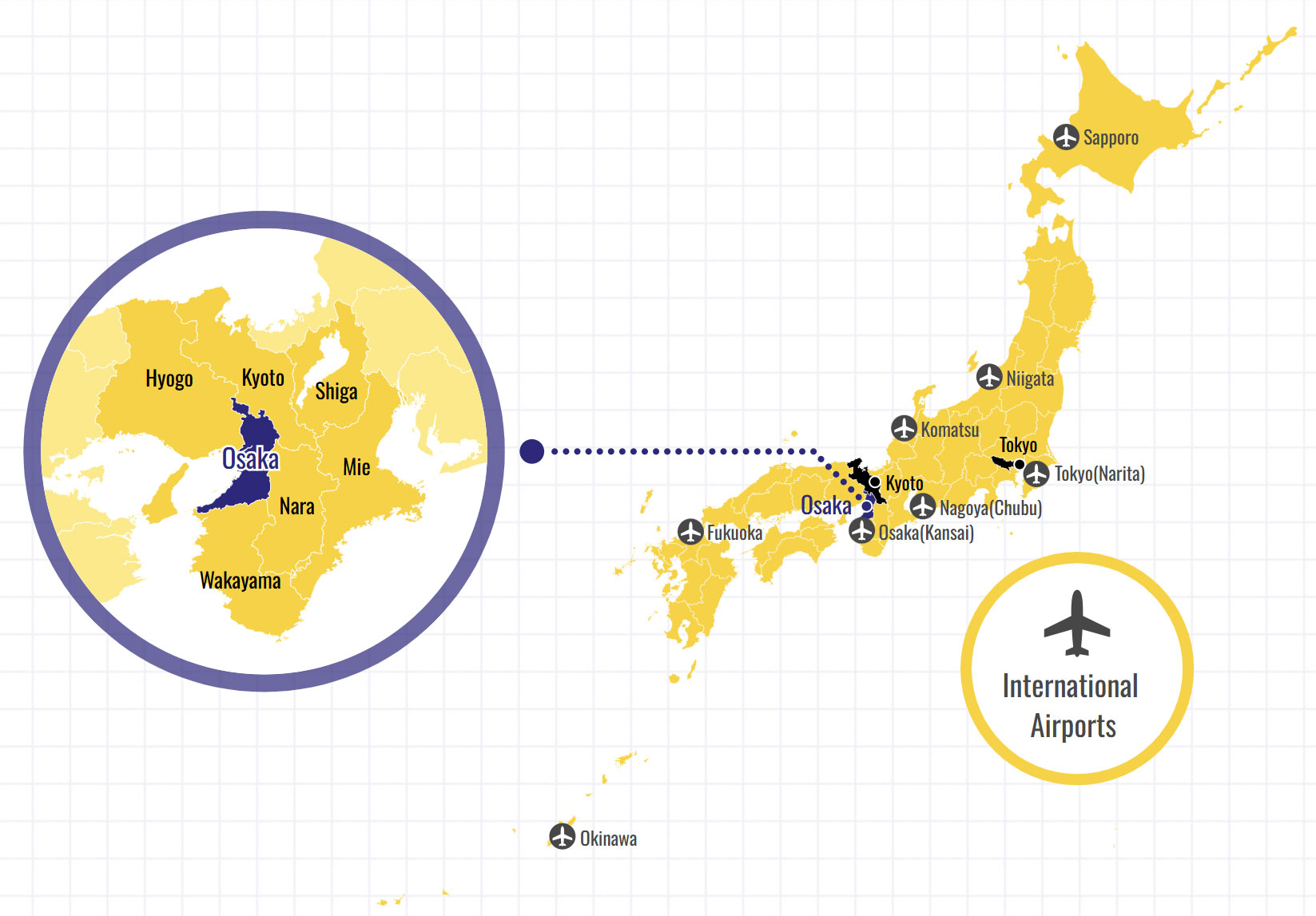
Osaka is the capital city of Osaka Prefecture, located in the Kansai region of central Japan. It sits on the Yodo River delta, facing Osaka Bay to the west, which has historically made it a natural center for commerce, trade, and cultural exchange.
With a population of approximately 2.7 million, Osaka is Japan's third-largest city after Tokyo and Yokohama, and serves as the economic engine of western Japan.
Climate
Osaka has a temperate climate with four distinct seasons.
| Season | Period | Average Temperature | Notes |
|---|---|---|---|
| Spring | March – May | 10–22°C | Mild and pleasant; cherry blossom season in late March–early April |
| Summer | June – August | 25–35°C | Hot and humid; occasional rain during June (rainy season) |
| Late Summer / Early Autumn | September | 20–28°C | Hot and humid early in the month; typhoon season; gradually cooling toward the end |
| Autumn | October – November | 12–24°C | Cool and comfortable; vibrant autumn foliage |
| Winter | December – February | 3–10°C | Relatively mild compared to Tokyo; rarely snows |
Getting Around
Osaka boasts one of the most efficient and affordable public transportation networks in the world, making it easy to navigate the city and beyond.
| Transportation | Key Lines / Routes | Notes |
|---|---|---|
| Osaka Metro | Midosuji, Tanimachi, Chuo, and 6 other lines | Covers most central districts; IC cards (ICOCA, Suica) accepted |
| JR West | Osaka Loop Line, JR Kyoto Line, JR Kobe Line | Connects Osaka to Kyoto, Kobe, and surrounding cities |
| Private Railways | Hankyu, Hanshin, Kintetsu, Nankai | Offer fast connections to suburban areas and airports |
| Buses | Osaka City Bus | Convenient for areas not covered by train |
| Taxis | Ubiquitous | Fares are metered; can be expensive for long distances |
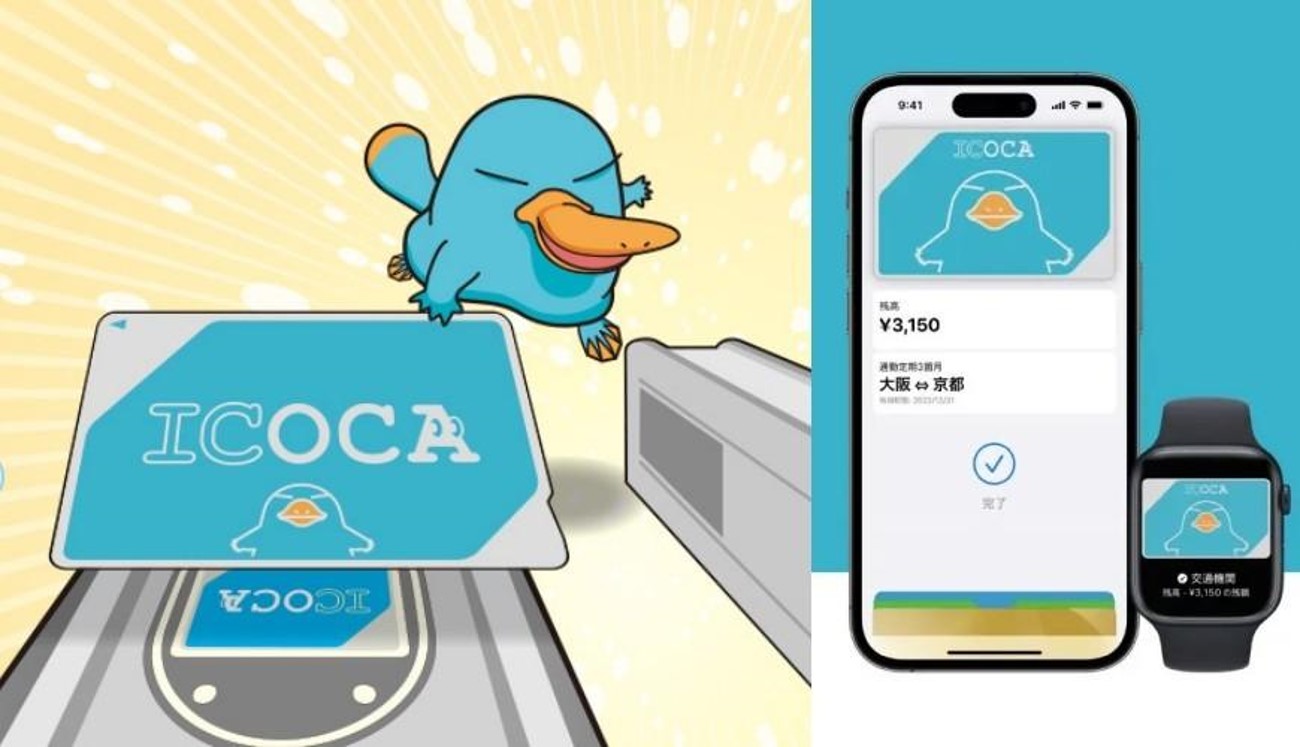
ICOCA (JR West) or Suica (JR East) — both are interchangeable across most of Japan's public transport systems. You can purchase and recharge them at any station.
Currency & Payment
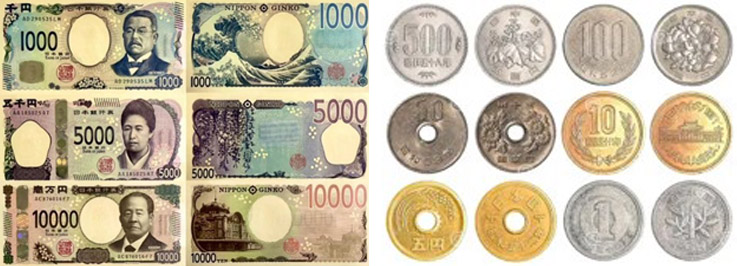
- Currency: Japanese Yen (JPY, ¥)
- Exchange Rate (indicative): Approximately 1 USD ≈ 140–150 JPY (as of 2025). Please check the latest rate before your trip.
-
Payment Methods:
o Cash (yen) is still widely used, especially at smaller shops, temples, and street food stalls.
o Credit cards (Visa, Mastercard, American Express) are accepted at most hotels, department stores, and restaurants.
o IC cards (ICOCA, Suica, etc.) can be used for small purchases at convenience stores and vending machines.
o Mobile payment systems such as PayPay, Alipay, and WeChat Pay are increasingly available in tourist areas.
Language
The official language is Japanese. English is not widely spoken in daily life, but at major tourist attractions, hotels, and train stations, English signage and basic English assistance are increasingly available.
Useful Phrases:| Hello | こんにちは | Konnichiwa |
| Thank you | ありがとうございます | Arigatō gozaimasu |
| Excuse me / Sorry | すみません | Sumimasen |
| Yes / No | はい / いいえ | Hai / Iie |
| How much? | いくらですか? | Ikura desu ka? |
| Where is the restroom? | トイレはどこですか? | Toire wa doko desu ka? |
📞 Emergency Numbers
| Service | Number |
| Police | 110 |
| Ambulance / Fire | 119 |
| Japan Visitor Hotline | 050-3816-2787 (24/7 English support) |
🏥 Medical Support
• Most major hospitals in Osaka have international patient services.• For non-emergency medical advice, you can visit a local clinic.
• Your travel insurance is strongly recommended to cover potential medical expenses.
⚡ Electricity & Plug
• Frequency: 60 Hz (western Japan, including Osaka)
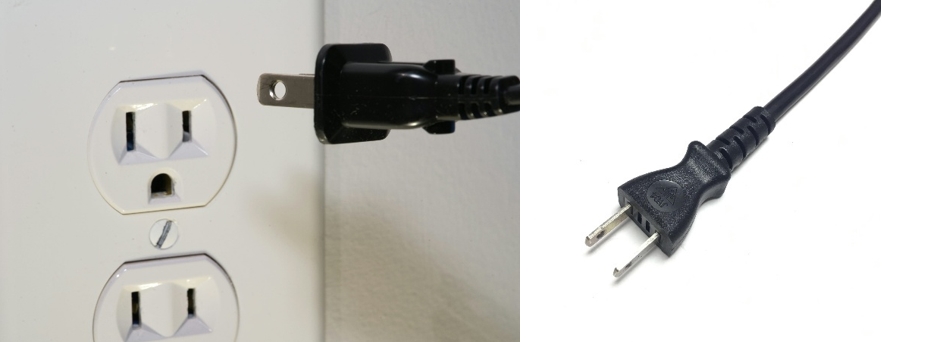
• Plug Type: Type A (two flat pins, same as the US). Most devices from the US, Europe, and other regions will require a plug adapter. Some hotels may provide universal power outlets.
🚭 Smoking Regulations
Smoking is prohibited on most public streets in Osaka's city center (especially in Namba, Umeda, and Shinsaibashi). Please use designated smoking areas. Many restaurants and indoor public spaces are also non-smoking.Tipping
Tipping is not customary in Japan and may even be considered impolite. Exceptional service should be acknowledged with a word of thanks rather than a monetary tip.